Are you concerned about the privacy of your cryptocurrency transactions? Worried about the traceability of your Bitcoin? Look no further than decentralized laundering with a Bitcoin Mixer. In this comprehensive guide, we will delve into everything you need to know about mixing your cryptocurrency safely and anonymously.
With the rise of know your customer (KYC) policies and anti-money laundering (AML) compliance, it has become increasingly important to protect your privacy when engaging in cryptocurrency transactions. Bitcoin laundering has become a hot topic, as it allows individuals to obfuscate the origin of their funds and maintain their anonymity.
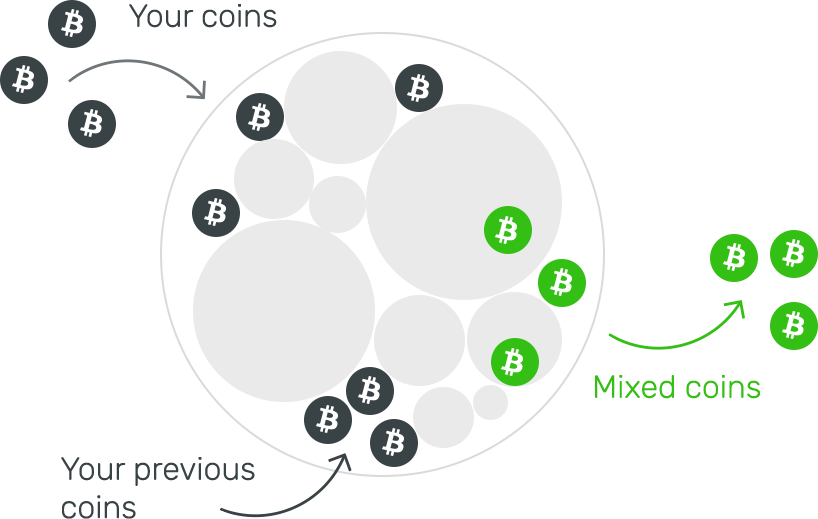
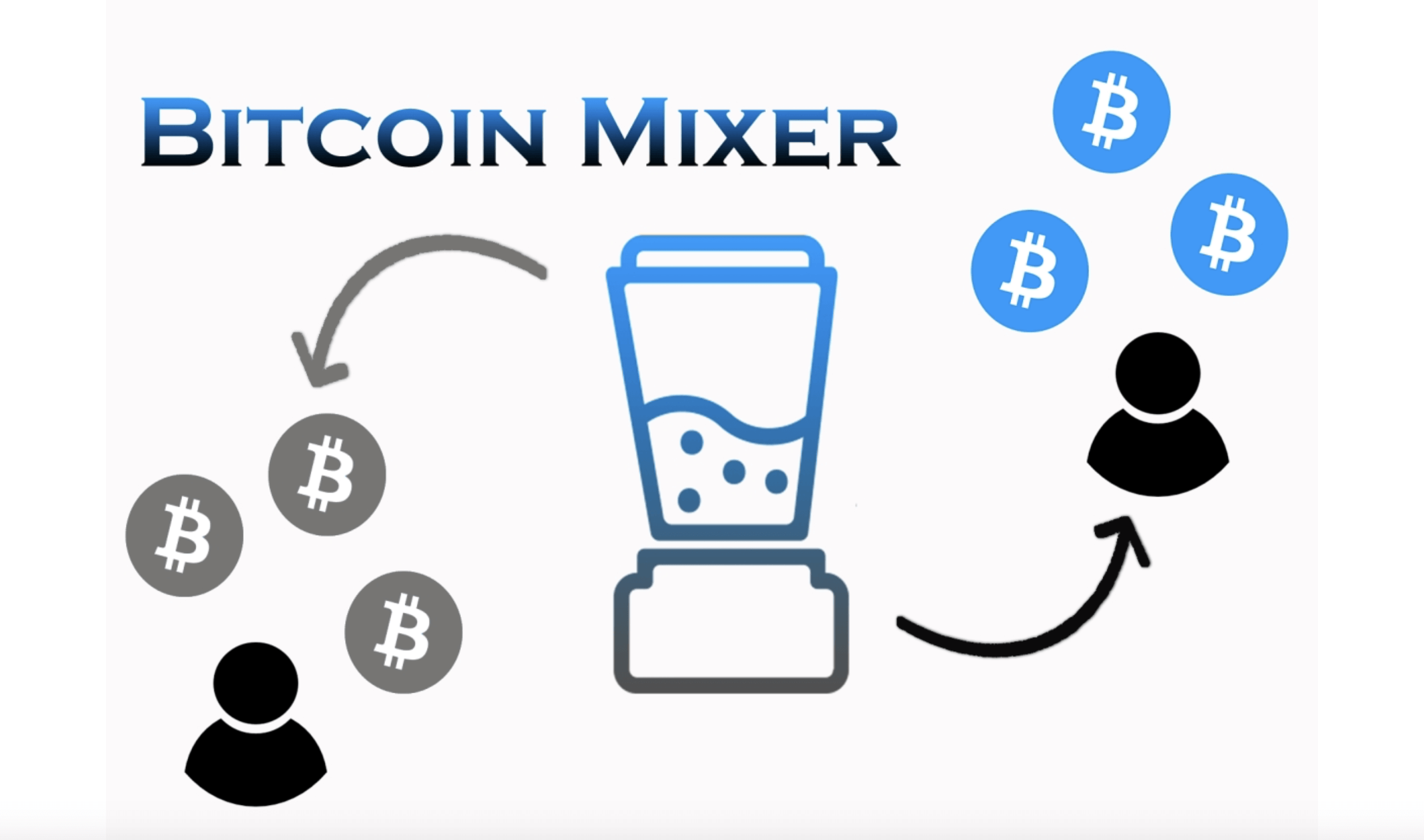
So, what exactly is a Bitcoin Mixer? Also known as a coin tumbling service or a crypto mixer, it is a tool that allows you to mix your bitcoins with those of other users to create a complex and confusing trail. By using a Bitcoin Mixer, you can break the link between your initial address and the final destination, ensuring secure bitcoin transactions.
Bitcoin privacy tools come in various forms, including centralized and decentralized mixing services. Centralized mixing services require you to trust a third party with your funds, which goes against the fundamental principles of blockchain technology. On the other hand, peer-to-peer mixing services leverage the power of the blockchain to ensure trustless and anonymous mixing.
When choosing a mixing service, it is crucial to consider the level of anonymity it provides as well as the mixing service fees. Some services may retain logs or require personal information, compromising your privacy. Opt for a mixing service that prioritizes your anonymity and uses advanced encryption techniques to protect your transactions.
http://cryptouqt7eiqjxw5cybpsa2q47jkwp5bonbeguxehgbjtojsbqhbnqd.onion
As blockchain technology continues to gain popularity, the importance of privacy within the blockchain ecosystem becomes increasingly evident. Blockchain, the underlying technology of cryptocurrencies like Bitcoin, is a decentralized public ledger that records all transactions. However, this transparency can pose privacy concerns for individuals who wish to keep their financial activities confidential.
One of the main reasons why blockchain privacy is crucial is to prevent decentralized laundering. Decentralized laundering refers to the illegal practice of mixing illicit funds with legitimate transactions in an attempt to obfuscate their origin. Without proper privacy measures in place, it becomes easier for criminals to hide their illicit activities within the blockchain.
Additionally, privacy is vital for protecting the personal information of individuals who use cryptocurrency. In a world where privacy is becoming increasingly valued, individuals should have control over the disclosure of their financial details. Blockchain privacy ensures that users can conduct secure bitcoin transactions without their personal information being easily accessible.
Moreover, privacy in the blockchain space also intersects with regulatory compliance. Know Your Customer (KYC) policies and Anti-Money Laundering (AML) regulations require cryptocurrency exchanges and businesses to verify the identities of their customers. However, stringent privacy policies can be a roadblock for these businesses, as they need to strike a balance between complying with regulations and protecting their customers' anonymity.
Fortunately, there are various bitcoin privacy tools and services available to enhance blockchain privacy. One such tool is a crypto mixer or coin tumbler. These services allow users to mix their cryptocurrencies with others, making it more challenging to trace the origin of the funds. Peer-to-peer mixing is another method that utilizes trustless protocols to provide privacy during transactions.
In conclusion, blockchain privacy plays a crucial role in safeguarding individuals' personal information, preventing illicit activities like bitcoin laundering, and complying with AML regulations. As the cryptocurrency industry continues to evolve, it is essential to prioritize privacy and develop innovative solutions to ensure secure and anonymous transactions on the blockchain.
http://btcmixqi7yc7x6yhenz5i46xp6sf3hhuuklefrh2iiztqa4zkdhyogqd.onion
Cryptocurrencies, such as Bitcoin, offer a level of anonymity that traditional financial systems cannot provide. However, it is important to understand the limitations of this anonymity and the tools available to enhance it.
Decentralized laundering and crypto mixers have emerged as popular solutions for individuals seeking to improve their privacy. These services allow users to mix their cryptocurrencies with others, making it difficult to trace the origin of the funds. By combining multiple transactions, crypto mixers create a complex web that can be challenging to unravel.
Bitcoin privacy tools are critical for ensuring anonymity in the cryptocurrency world. These tools include wallets with built-in mixing capabilities, such as CoinJoin, as well as encryption features to protect transaction data. It is essential to research and utilize these tools to safeguard your privacy.
It is worth noting that government regulations, such as know your customer (KYC) policies and anti-money laundering (AML) compliance, can impact cryptocurrency anonymity. Exchanges and other service providers may require users to provide personal information and verify their identity. While these measures aim to prevent illegal activities, they can compromise privacy.
To further enhance anonymity, peer-to-peer mixing is gaining popularity. This method allows individuals to directly exchange cryptocurrencies with each other, bypassing centralized platforms. Peer-to-peer mixing relies on trust and reputation, enabling users to transact securely without revealing their identities.
The blockchain, the underlying technology behind cryptocurrencies, offers both transparency and privacy. While all transactions are recorded on the blockchain, identifying personal details can be challenging without additional information. Additionally, newer privacy-focused cryptocurrencies, like Monero and Zcash, aim to provide enhanced privacy features.
Individuals should also consider cryptocurrency regulations when seeking anonymity. Some countries have stricter regulations than others, and it is crucial to understand the legal implications of using mixing services or engaging in bitcoin laundering activities. Educating yourself about local laws can help you make informed decisions.
While crypto mixers and other privacy tools can enhance anonymity, users should be aware of potential risks and fees associated with these services. Mixing service fees may vary, and there is always a risk of using untrusted or compromised platforms. Conducting proper research, checking reviews, and using reputable services can mitigate these risks.
In conclusion, achieving anonymity in the cryptocurrency world requires a combination of technological solutions and awareness of regulatory environments. By utilizing privacy tools, understanding blockchain technology, and staying informed about cryptocurrency regulations, individuals can secure their transactions and protect their privacy in an increasingly digital world.
When it comes to secure bitcoin transactions and anonymity, using a bitcoin mixer is essential. In today's cryptocurrency landscape, where privacy is a growing concern, it's important to take steps to protect your identity and funds.
Bitcoin laundering has become a prevalent issue, with criminals using cryptocurrency to hide their illicit activities. To combat this, governments around the world are implementing strict cryptocurrency regulations, including anti-money laundering (AML) compliance and know your customer (KYC) policies.
Decentralized laundering has become popular, with individuals using peer-to-peer mixing techniques to obfuscate the source of funds. While this may provide some level of privacy, it is not foolproof and could still leave traces of the origin of your cryptocurrency.
This is why bitcoin mixers are necessary. A mixing service allows you to mix your bitcoin with other users' coins, making it difficult to trace the path of the funds. By utilizing coin tumbling services, you can enhance the privacy and security of your transactions.
Bitcoin mixers use complex algorithms to randomize the transactions and break the link between the sender and the recipient. This way, even if someone tries to trace your transactions on the blockchain, it would be nearly impossible to associate the funds with you.
Furthermore, bitcoin mixers charge mixing service fees, which further ensures your anonymity. By paying these fees, you are investing in your privacy and protecting your funds from prying eyes.
While there are other bitcoin privacy tools available, such as cryptocurrency tumblers and coinjoin protocols, bitcoin mixers remain a reliable and widely used method for achieving privacy in the cryptocurrency space.
In conclusion, with the increasing surveillance and regulations in the cryptocurrency industry, using a bitcoin mixer is crucial to protect your privacy and ensure the security of your transactions. By utilizing a trusted and reputable mixing service, you can take control of your financial privacy and prevent anyone from tracing your cryptocurrency transactions.
Bitcoin mixers, also known as crypto mixers or coin tumblers, are privacy-protecting tools that help users achieve anonymity in their cryptocurrency transactions. These services work by breaking the link between a sender and recipient address, making it difficult for anyone to trace the movement of funds on the blockchain.
When using a crypto mixer, the user's bitcoins are sent to a mixing service, which then combines them with other coins from different sources. This process effectively creates a complex network of transactions, making it almost impossible to determine the origin of the funds. Once mixed, the bitcoins are sent back to the user through multiple addresses, further obfuscating the trail.
Decentralized laundering is a key feature of bitcoin mixers. Unlike traditional financial institutions that are subject to anti-money laundering (AML) compliance and cryptocurrency regulations, these mixing services operate outside the control of any central authority. This allows users to bypass any restrictions or know your customer (KYC) policies that may compromise their privacy.
To ensure secure bitcoin transactions, some mixers employ peer-to-peer mixing. Instead of sending coins to a centralized service, users connect directly with one another to mix their funds. This further enhances privacy as there is no central entity that holds the user's funds or transaction data.
By using a crypto mixer, individuals can protect their financial privacy and prevent others from tracing their transactions on the blockchain. These privacy tools are particularly useful for individuals who value anonymity and want to maintain control over their financial information.
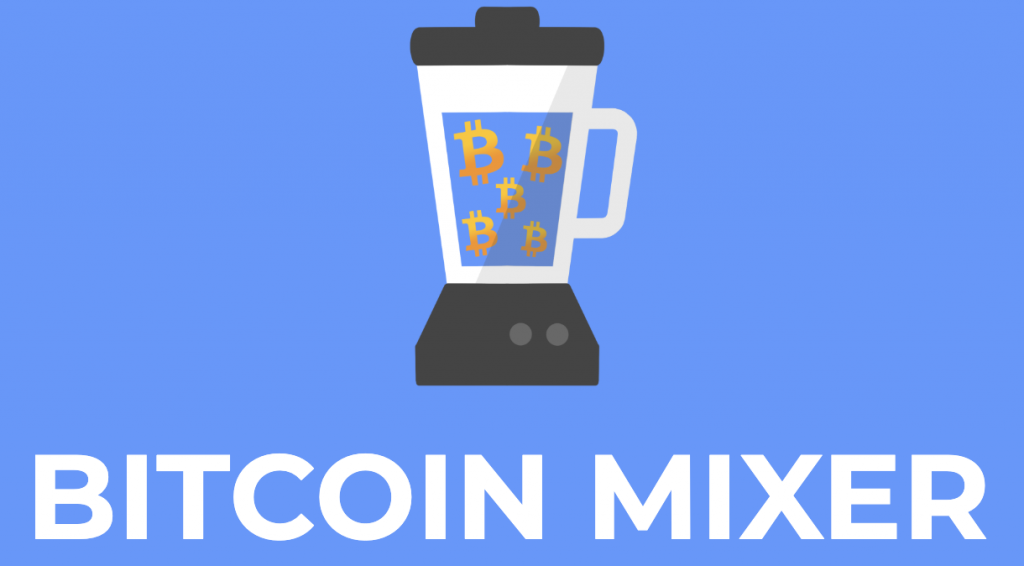
When it comes to maintaining the privacy and anonymity of your cryptocurrency transactions, using a Bitcoin mixer or mixing service is an essential tool. A Bitcoin mixer works by taking your coins and mixing them with the coins of other users, making it difficult to trace the transactions back to their original source. However, not all Bitcoin mixers are created equal, and it's important to choose the right one for your needs.
1. Decentralized laundering: Look for a Bitcoin mixer that uses a decentralized approach to laundering your coins. This ensures that there is no single point of failure or authority that could compromise your privacy.
2. Privacy: Check whether the Bitcoin mixer has a strong privacy policy in place. Make sure they don't keep any logs or records of your transactions that could be used to identify you.
3. Bitcoin laundering and anonymity: Consider the level of anonymity the Bitcoin mixer provides. Ideally, you want a mixer that uses advanced techniques to completely break the link between your input and output addresses.
4. Know Your Customer (KYC) policies: Some Bitcoin mixers require users to go through a KYC process before they can use their service. If you value your privacy, look for mixers that don't have such policies in place.
1. Secure Bitcoin transactions: Ensure that the Bitcoin mixer uses secure protocols and encryption to protect your transactions from being intercepted or tampered with.
2. Mixing service fees: Compare the fees charged by different Bitcoin mixers. While it's important to consider cost, prioritize the mixer's privacy and security features over the price.
3. Cryptocurrency and coin tumbling services: Check if the Bitcoin mixer offers support for other cryptocurrencies or if it provides additional coin tumbling services.
4. Anti-Money Laundering (AML) compliance: If you want to ensure compliance with regulations, make sure the Bitcoin mixer follows AML regulations and guidelines.
Choosing the right Bitcoin mixer is crucial when it comes to safeguarding your privacy and anonymity. By considering factors such as decentralized laundering, privacy policies, anonymity, and KYC policies, you can select a reliable crypto mixer that meets your needs. Remember to prioritize security and privacy features and consider additional factors like secure transactions, mixing service fees, cryptocurrency support, and AML compliance.
Once you find a trustworthy Bitcoin mixer, you can utilize its peer-to-peer mixing and bitcoin privacy tools to enhance the privacy of your cryptocurrency transactions and protect your identity from prying eyes.
Bitcoin mixing, also known as coin tumbling or crypto mixing, is a process that aims to enhance privacy and ensure anonymity in cryptocurrency transactions. When using traditional financial systems, such as banks, transactions are typically traceable and tied to the account holder's identity. However, with the advent of blockchain technology and the decentralized nature of cryptocurrencies like Bitcoin, it has become more challenging to maintain privacy and anonymity.
In order to combat these challenges, Bitcoin mixing services have emerged as a solution. These services allow users to mix their cryptocurrency with that of other users, making it difficult to trace the source of the funds. By breaking the transaction trail, Bitcoin mixers help protect the privacy of individuals and prevent unauthorized access to personal information.
One important consideration when using Bitcoin mixers is the adherence to know your customer (KYC) policies. While some mixing services require user registration and verification, others offer peer-to-peer mixing without KYC requirements. It is essential to evaluate the level of privacy and anonymity offered by each mixing service and choose accordingly.
Another factor to consider is the mixing service fees. Different Bitcoin mixers charge varying fees for their services. It is advisable to compare the fees charged by different mixing services and consider the level of anonymity and privacy provided by each service before making a decision.
Furthermore, it is crucial to stay informed about cryptocurrency regulations and anti-money laundering (AML) compliance. While Bitcoin itself offers a certain level of anonymity, governments and regulatory bodies are becoming increasingly vigilant in enforcing AML regulations. Understanding the legal implications and ensuring compliance with relevant regulations is essential for maintaining anonymity while using Bitcoin mixers.
In addition to using mixing services, individuals can also employ various Bitcoin privacy tools to enhance their anonymity. These tools include secure Bitcoin wallets that prioritize privacy, such as those utilizing the CoinJoin protocol. Additionally, techniques such as decentralized laundering using smart contracts or privacy-focused cryptocurrencies can further enhance privacy and anonymity.
In conclusion, Bitcoin mixing plays a crucial role in maintaining privacy and anonymity in cryptocurrency transactions. By using reliable mixing services with appropriate KYC policies, considering the mixing service fees, and staying informed about cryptocurrency regulations, individuals can ensure a higher level of anonymity. Additionally, utilizing Bitcoin privacy tools and exploring alternative methods, such as peer-to-peer mixing and decentralized laundering, can further enhance privacy and secure Bitcoin transactions.
When it comes to ensuring privacy and anonymity in your cryptocurrency transactions, using a reliable crypto mixer is essential. However, there are some common mistakes that users make when mixing their bitcoins, which can compromise their security and anonymity.
1. Trusting insecure bitcoin mixing services: It is crucial to use a trusted and reputable crypto mixer that has a proven track record in secure bitcoin transactions. Always do your research and read reviews before choosing a mixing service.
2. Neglecting cryptocurrency regulations: It's important to understand the legal implications of mixing your bitcoins. Some jurisdictions have specific regulations regarding cryptocurrency transactions and anti-money laundering (AML) compliance. Ensure that the mixing service you choose complies with these regulations.
3. Forgetting to use decentralized laundering: Centralized mixing services can be vulnerable to hacking attacks and government surveillance. Consider using decentralized mixing services that utilize peer-to-peer mixing techniques to enhance anonymity and security.
4. Overlooking bitcoin privacy tools: In addition to using a mixing service, take advantage of other bitcoin privacy tools, such as VPNs and encrypted wallets, to further protect your identity.
5. Ignoring mixing service fees: While it's tempting to choose the cheapest mixing service available, be cautious of services that offer very low or no fees. These services may have hidden costs or may not provide the level of security and anonymity you require.
6. Disregarding know your customer (KYC) policies: Some mixing services require users to go through a KYC process to ensure compliance with regulations. While this may seem inconvenient, it can help ensure the integrity and security of the mixing service.
By avoiding these common mistakes, you can significantly enhance the privacy, security, and anonymity of your bitcoin transactions. Remember to always prioritize your privacy and take the necessary steps to protect yourself in the cryptocurrency world.
When it comes to mixing your cryptocurrency safely and anonymously, there are a few additional tips to keep in mind. While mixing services can provide an extra layer of privacy, it's important to stay informed about cryptocurrency regulations and take the necessary precautions to protect yourself.
Choose reputable coin tumbling services:
Make sure to do your research and select a reliable and trustworthy coin tumbling service. Look for providers with a good reputation and positive customer reviews. Remember that using a mixing service may come with fees, so be aware of the costs involved.
Utilize bitcoin privacy tools:
There are several tools available that can help enhance your bitcoin privacy, such as bitcoin mixers or cryptocurrency tumblers. These tools help break the link between your original bitcoin address and the subsequent transactions, ensuring greater privacy.
Consider peer-to-peer mixing:
Peer-to-peer mixing is another option to explore. This method involves mixing your bitcoins with other users directly, without involving a third-party service. It can offer greater anonymity and reduce the risk of your transactions being traced back to you.
Stay aware of know your customer (KYC) policies:
Keep in mind that some mixing services may require you to comply with know your customer (KYC) policies, which involve providing personal information. Be sure to understand the implications of these policies and only use services that align with your privacy preferences.
Understand the blockchain:
While bitcoin mixing can provide anonymity, it's important to note that blockchain transactions are public and can be traced. Make sure you have a good understanding of how the blockchain works and take additional measures, like using a crypto mixer, to ensure your transactions are secure.
Comply with anti-money laundering (AML) compliance:
Be aware of the potential risks associated with bitcoin laundering and ensure you adhere to anti-money laundering (AML) compliance. Avoid using mixing services for illegal purposes and take the necessary precautions to protect yourself and your transactions.
By following these additional tips, you can further enhance the safety and anonymity of your bitcoin mixing experience. Stay informed, choose reputable services, and take the necessary steps to protect your privacy and ensure secure bitcoin transactions.
A Bitcoin mixer is a tool that helps to enhance the privacy and anonymity of your cryptocurrency transactions. It works by mixing your bitcoins with those of other users, making it difficult to trace the source or destination of the funds. Using a Bitcoin mixer can help protect your financial privacy and prevent others from tracking your transactions.
A Bitcoin mixer works by taking your bitcoins and mixing them with bitcoins from other users. This is done through a series of transactions and randomization techniques, which make it challenging to trace the original source and destination of the funds. By using a Bitcoin mixer, you can ensure that your transactions are more private and anonymous.
Bitcoin mixers themselves are not illegal, as they are simply tools that aim to enhance the privacy of your cryptocurrency transactions. However, the legality of using Bitcoin mixers may vary depending on your jurisdiction and how you use them. It is always important to comply with the laws and regulations of your country when it comes to cryptocurrency.
While using a Bitcoin mixer can enhance your privacy, there are some risks to consider. First, there is a chance of using a fraudulent Bitcoin mixer that may steal your funds or expose your personal information. Additionally, using a Bitcoin mixer may attract attention from authorities who are monitoring cryptocurrency transactions. It is important to choose a reputable Bitcoin mixer and weigh the risks before using one.
Yes, there are alternatives to Bitcoin mixers for enhancing the privacy of your cryptocurrency transactions. One popular option is to use privacy-focused cryptocurrencies such as Monero or Zcash, which offer built-in privacy features. Additionally, you can use techniques like CoinJoin, which involve pooling your transactions with other users to make them more difficult to trace. It is important to research and understand these alternatives before implementing them.
jsmith
I was really impressed by the "Bitcoin Mixer: The Ultimate Guide to Mixing Your Cryptocurrency Safely and Anonymously" article. As someone who values their privacy and security in the digital world, it's crucial to know about decentralized laundering and how to protect oneself from potential risks. The article provided valuable information about blockchain technology and how it can be used for secure bitcoin transactions. It also touched on the importance of anonymity and the various bitcoin privacy tools available to users. I particularly liked the mention of peer-to-peer mixing and how it can help maintain privacy during transactions. The article also did a great job breaking down the topic of anti-money laundering (AML) compliance and the need for cryptocurrency regulations. Understanding the risks and legal implications involved in bitcoin laundering is vital for anyone involved in the crypto world. I found the section on mixing service fees and the importance of choosing a reliable crypto mixer quite helpful. It emphasized the need to research and choose a trustworthy mixing service to protect one's assets. Lastly, the article briefly mentioned the concept of coin tumbling services and the potential risks associated with them. It would have been beneficial to delve deeper into this topic, as it is often misunderstood by many. Overall, the "Bitcoin Mixer: The Ultimate Guide to Mixing Your Cryptocurrency Safely and Anonymously" article provided a comprehensive and informative guide on securing and anonymizing bitcoin transactions. It stressed the importance of privacy and highlighted the need to be aware of know your customer (KYC) policies. As someone who values their privacy, this article has given me a better understanding of how to protect my cryptocurrency assets.
John
This guide on Bitcoin mixers is incredibly helpful and informative. As a regular Bitcoin user, I am concerned about the privacy and security of my transactions. Blockchain technology offers a decentralized and transparent system, but it also means that every transaction is visible to anyone. That's why I find the concept of crypto mixers fascinating. The article explains the importance of cryptocurrency regulations and the need for anonymity in today's digital world. It highlights the risks associated with insecure Bitcoin transactions and how mixing services can help ensure privacy. The mention of anti-money laundering compliance and know your customer policies is reassuring as it shows that these services are taking the necessary steps to legitimize their operations and protect users. One aspect that caught my attention is the discussion on different Bitcoin privacy tools. The article introduces the concept of peer-to-peer mixing and coin tumbling services, both of which offer different levels of anonymity. It's fascinating to see how technology is evolving to address privacy concerns in the ever-changing cryptocurrency landscape. While I understand that these services come at a cost, the article provides valuable insights into mixing service fees and how they compare to the benefits they offer. This knowledge will help me make an informed decision when choosing a mixing service in the future. Overall, this guide is a must-read for anyone interested in maintaining privacy and anonymity in their Bitcoin transactions. The information provided about decentralized laundering and secure bitcoin transactions is empowering and will undoubtedly help users make informed decisions in the ever-evolving crypto world.
John Smith
This article is a comprehensive guide for anyone interested in ensuring the safety and anonymity of their cryptocurrency transactions. As a reader who values privacy and security, I appreciate the detailed information provided about anti-money laundering (AML) compliance and the importance of decentralized laundering. The article emphasizes the role of blockchain technology in maintaining anonymity and offers insights into the concept of a crypto mixer. It discusses the privacy risks associated with bitcoin laundering and highlights the benefits of using coin tumbling services. I found the section on mixing service fees particularly helpful, as the article provides tips on minimizing costs while ensuring privacy. Moreover, the inclusion of "know your customer" (KYC) policies and cryptocurrency regulations highlights the need to comply with legal requirements. The article addresses concerns about secure bitcoin transactions and explains the concept of peer-to-peer mixing in a clear manner. Overall, this guide is a valuable resource for anyone looking to protect their cryptocurrency holdings and maintain their privacy in the digital world.
James Anderson
The article "Bitcoin Mixer: The Ultimate Guide to Mixing Your Cryptocurrency Safely and Anonymously" provides a comprehensive overview of the importance of bitcoin privacy tools and the various methods available for secure and anonymous transactions. As a reader, I appreciate the emphasis on decentralized laundering and coin tumbling services, which allow users to maintain their privacy while ensuring the integrity of their transactions. The mention of know your customer (KYC) policies and cryptocurrency regulations highlights the need for individuals to understand the legal implications and potential risks associated with bitcoin laundering. The article also educates readers about the benefits of blockchain technology and the role it plays in ensuring the security and anonymity of bitcoin transactions. However, I would have liked to see more information on mixing service fees and peer-to-peer mixing as alternatives for those who may prefer a different approach. Overall, this guide provides valuable insights into the world of bitcoin privacy and is a must-read for anyone concerned about maintaining their anonymity and complying with anti-money laundering (AML) policies.
jenny34
I have always been interested in the topic of privacy when it comes to cryptocurrency transactions, especially with the rise in popularity of Bitcoin. As a female reader, I take my privacy seriously and want to make sure that my transactions are safe and anonymous. That's why I found the article "Bitcoin Mixer: The Ultimate Guide to Mixing Your Cryptocurrency Safely and Anonymously" to be incredibly informative. The article starts by explaining the importance of privacy, especially in a blockchain-based world where transactions are visible to anyone. It introduces various bitcoin privacy tools, such as mixing services or coin tumbling services, that allow users to obfuscate the source of their funds. One aspect that caught my attention was the discussion on mixing service fees. The article explains how these fees vary depending on the service, and it emphasizes the need to do thorough research before choosing a mixing service. Furthermore, it highlights the importance of considering anti-money laundering (AML) compliance and the potential risks associated with using a non-compliant service. I also appreciate how the article explores different methods of achieving anonymity in bitcoin transactions. It mentions peer-to-peer mixing, which allows users to mix their coins directly with others, as well as decentralized laundering services. Knowing that I have options when it comes to securing my bitcoin transactions gives me peace of mind. Another significant point discussed in the article is the importance of knowing your customer (KYC) policies and the role they play in cryptocurrency regulations. It clarifies that not all mixing services require KYC verification, but it's essential to understand the risks and legal implications associated with non-compliance. Overall, this article provides an in-depth understanding of the various aspects of bitcoin mixing and the importance of privacy in cryptocurrency transactions. It has armed me with valuable knowledge to make informed decisions and ensure the security and anonymity of my transactions. I highly recommend this article to anyone looking to enhance their Bitcoin privacy and protect their assets through a trustworthy crypto mixer.